
How to Steer Clear of Errors and Achieve a Flawless Finish
Texture painting can transform the look and feel of a room. However, achieving the desired result requires attention to detail and an understanding of common pitfalls. Many people embark on texture projects with enthusiasm but end up facing unexpected challenges that hinder their progress. This guide aims to highlight some frequent mistakes made during texture painting projects and provide practical advice on how to avoid them. By understanding these issues, you can ensure your next project is a success.
Choosing the Wrong Materials
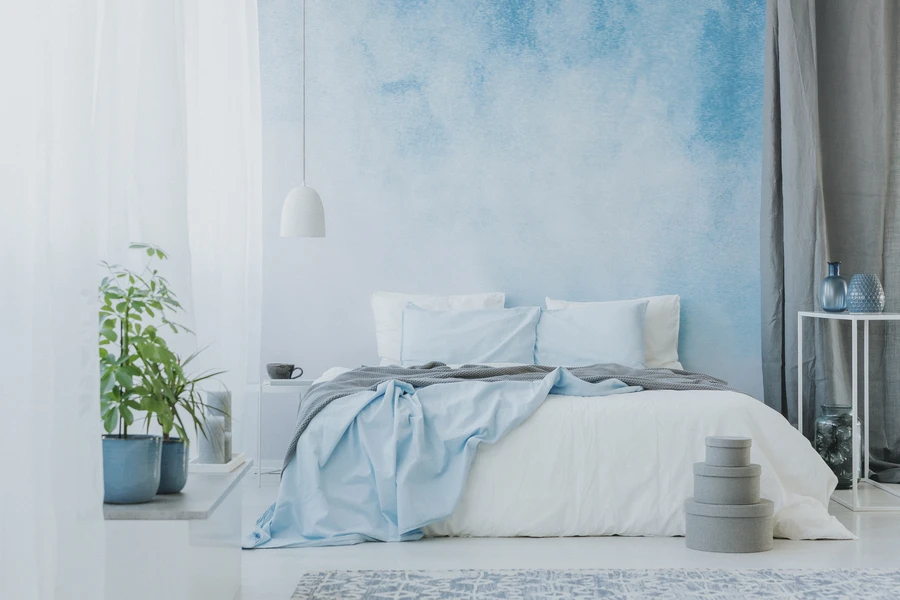
Selecting the right materials is crucial for successful texture painting. Using inappropriate products can lead to unsatisfactory results. Always choose high-quality paints and tools designed specifically for texturing tasks. It’s also important to understand the differences between various types of textures, such as knockdown, orange peel, or popcorn, and select materials accordingly.
Ignoring Surface Preparation
A smooth and clean surface is essential before starting any texture painting project. Skipping this step can result in poor adhesion and an uneven finish. Begin by cleaning the walls thoroughly, removing dust, grease, and old paint chips. Sand down rough areas to create a uniform base. Proper preparation ensures the texture bonds well with the wall surface.
Poor Application Techniques
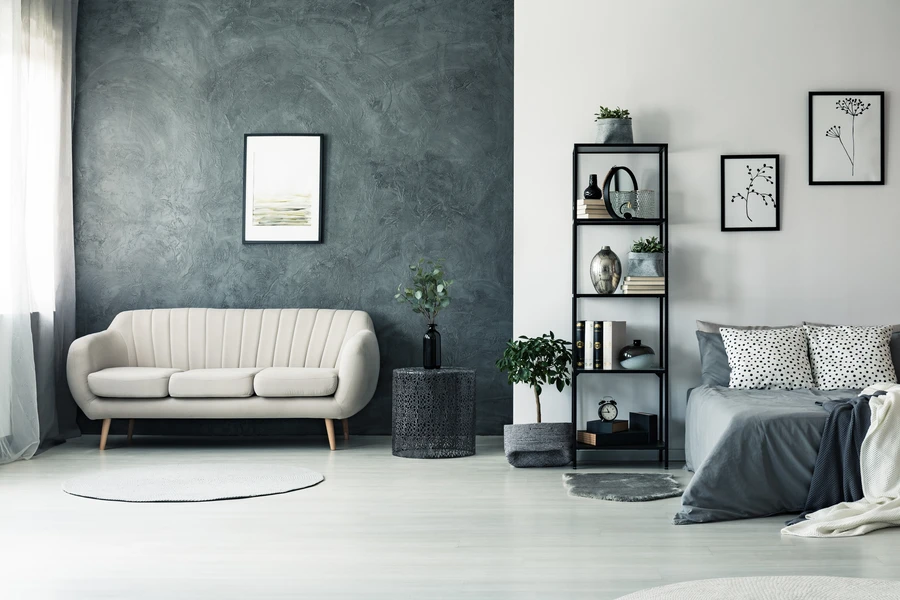
Applying texture requires skill and patience. Rushing through the process often leads to inconsistent patterns and blotchy finishes. Take time to master application techniques suitable for your chosen texture style. For example, when using a trowel, apply even pressure to avoid creating unwanted ridges. Practice makes perfect, so consider trying on a test surface before tackling larger areas.
Misjudging Drying Time
Every type of paint has specific drying times that must be respected to achieve optimal results. Impatience can cause layers to merge improperly, ruining the intended effect. After applying your texture coat, allow sufficient drying time before adding additional layers or finishes. Follow manufacturer instructions carefully to prevent complications like peeling or cracking.
- Wait at least 24 hours before repainting over textured surfaces.
- Ensure proper ventilation to speed up drying processes.
- Avoid humid conditions which prolong drying time.
Overlooking Maintenance Needs
Once your texture painting project is complete, ongoing maintenance will help preserve its appearance. Regularly dust walls using a soft cloth or duster to keep textures free from dirt buildup. Address any minor damages promptly before they escalate into bigger problems.
- Check for signs of wear regularly.
- Touch up small blemishes as soon as they appear.
- Avoid harsh chemical cleaners that may damage textured finishes.
Underestimating the Cost and Effort Involved
Many underestimate both the time and financial commitment required for successful texture painting projects. Quality materials might have higher upfront costs but offer better durability and finish quality in the long run. Budget planning helps avoid incomplete projects due to resource constraints. Consider potential expenses like primer, sealants, protective gear, and labor if hiring professionals.
Gain Professional Results Without Stress
For those unsure about tackling texture painting themselves, professional assistance is always an option worth considering. Experts bring experience and efficiency, ensuring top-notch results while saving you time and effort. If you’re ready for expert support, reach out today!
Your Path to Successful Texture Painting
If you’re looking to transform your space with expert guidance, contact Wasatch Elite Painting today at (385) 317-1968. With services based in Syracuse, UT, I promise reliable solutions tailored to your needs. No matter the challenge faced during your texture painting journey, I’m here to assist every step of the way.